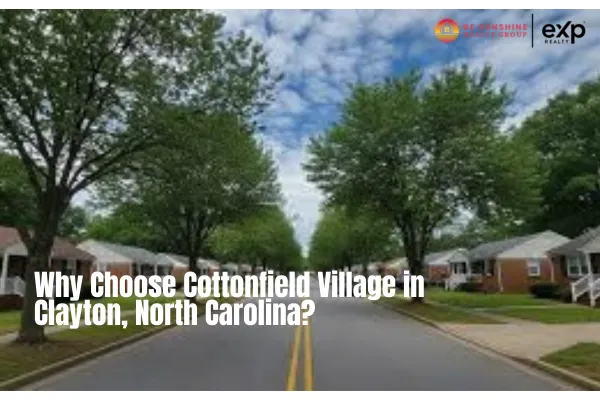
Why Choose Cottonfield Village in Clayton, North Carolina?
Home Page - Living In Raleigh Now
Why Choose Cottonfield Village in Clayton, North Carolina?
If you’re looking for a lower-maintenance home in the Clayton area, Cottonfield Village may be worth a closer look. This established townhome neighborhood offers manageable floor plans, private entrances, garage options, and access to the larger Flowers Plantation community.
For many buyers, the appeal is simple. You can own a home without taking on the yard work and exterior upkeep that often come with a larger property.
That doesn’t mean Cottonfield Village is right for everyone. Before buying, you’ll want to review the HOA documents, understand exactly what maintenance is included, inspect the individual home, and test the drive to the places you visit regularly.
Here’s what buyers should know.
What Is Cottonfield Village?
Cottonfield Village is a townhome neighborhood on the west side of Flowers Plantation in Clayton, North Carolina. Most of the homes are located along East Cotton Gin Drive.
Public property records show townhomes built mainly during the mid-2000s. Recent examples include two-bedroom, two-bath homes built between 2004 and 2007, generally ranging from about 1,100 to 1,300 square feet. Larger and differently configured floor plans can also be found within the neighborhood.
The neighborhood’s name also reflects the history of the land. According to Flowers Plantation, this part of the west end was planted in cotton during the 1950s.
1. Cottonfield Village Offers a Lower-Maintenance Lifestyle
One of the biggest reasons buyers consider Cottonfield Village is the opportunity to spend less time maintaining a property.
A recent neighborhood listing described the HOA as handling lawn care, landscaping, exterior building maintenance, the roof, and common areas. That can make the community appealing to buyers who travel, have busy schedules, or simply don’t want to spend every weekend working outside.
This could be a good fit when you’re moving from:
A house with a large yard
An older property that requires frequent repairs
A home with more space than you currently use
A rental where you want to begin building equity
A community with higher ownership costs
There’s an important catch. HOA responsibilities can change, and coverage may vary based on the property and governing documents.
Before making an offer, confirm exactly who is responsible for the roof, siding, windows, doors, decks, driveways, landscaping, insurance, and structural repairs. Never rely only on a listing description.
2. The Homes Can Be Easier to Manage
A large home can sound attractive until you think about the time and money required to maintain it.
Many homes in Cottonfield Village have two bedrooms and two bathrooms, although the neighborhood includes some larger and differently arranged plans. Recent public records show examples ranging from approximately 1,100 to more than 1,500 square feet. Some homes feature main-level bedrooms, lofts, garages, porches, patios, or wooded surroundings.
A more manageable floor plan may give you enough room for:
A primary bedroom
A guest room or office
Everyday living and dining space
Storage
A garage
A small outdoor area
You’re not necessarily giving up everything you enjoy about a traditional home. You’re choosing a home that may better match your daily routine.
When touring, pay attention to how each floor plan differs. Some homes may have nearly everything on the main level, while others may include upstairs rooms or lofts.
3. You Get More Privacy Than Apartment Living
Some buyers like the low-maintenance benefits of an apartment but want more privacy and a stronger sense of ownership.
A townhome in Cottonfield Village can offer a middle ground.
You may have your own entrance, garage, driveway, porch, patio, and defined living space. At the same time, you’re not responsible for caring for a large lot.
That can be appealing to:
First-time buyers
Buyers moving out of an apartment
Downsizers
Single homeowners
Couples who don’t need a large house
Frequent travelers
Buyers who want a lock-and-leave lifestyle
Townhome living still means sharing at least one wall in many cases. During a showing, pause and listen. Consider the location of bedrooms, living rooms, garages, and outdoor spaces in relation to neighboring homes.
4. Cottonfield Village Is Part of Flowers Plantation
Choosing Cottonfield Village also means living within the broader Flowers Plantation area.
Flowers Plantation describes the community as having miles of walking trails, on-site shopping and dining, and a natural setting approximately 25 minutes from Raleigh. Actual travel times will depend on your route, traffic, construction, and final destination.
The official Flowers Plantation site places Cottonfield Village among the west-side neighborhoods. It also explains that communities on this side work together to maintain certain amenities and natural buffers.
Depending on your routine, the larger area may give you convenient access to:
Walking routes
Grocery shopping
Restaurants
Personal services
Fitness options
Medical and professional services
Community events
Other Clayton-area destinations
Not every Flowers Plantation amenity is automatically included with every home. Some services or facilities may require separate memberships or fees. Confirm access before treating any amenity as part of your purchase.
5. The Neighborhood Has an Established Feel
Some buyers prefer an established neighborhood over a brand-new development.
With homes dating mainly from the mid-2000s, Cottonfield Village gives you the opportunity to see how the community has matured. Trees and landscaping may be more established, and you can get a clearer picture of the neighborhood’s appearance than you might in a community that is still under construction.
An established home can also come with updates completed by previous owners. Depending on the property, those may include newer flooring, appliances, heating and cooling equipment, water heaters, roofs, paint, or bathroom improvements.
Of course, age also means you should pay close attention to condition.
Ask about:
Roof age and responsibility
Heating and cooling systems
Water heater age
Plumbing
Windows and doors
Crawl-space or moisture concerns
Appliances
Exterior maintenance
HOA repairs or assessments
The neighborhood may be established, but every home will have its own maintenance history.
6. Recent Sales Give Buyers a Useful Reference Point
Pricing changes based on condition, size, updates, location within the neighborhood, interest rates, and the number of available homes.
For historical context, public records show several Cottonfield Village townhome sales between approximately $250,000 and $270,000 during 2025 and early 2026. Examples include a 2006 townhome that sold for $250,000, a 2004 home that sold for $265,000, and a 2007 home that sold for $270,000.
These are past sales, not a promise of what a current home should cost.
When you’re considering a property, compare it with the most recent relevant sales. Look closely at:
Square footage
Bedroom and bathroom count
End-unit versus interior-unit location
Garage configuration
Renovations
Overall condition
Outdoor space
HOA coverage
Time of sale
A slightly higher-priced home may be the better value when major updates have already been completed. A lower price can be misleading when the property needs a roof contribution, mechanical replacement, flooring, or extensive interior work.
7. The Clayton Location Keeps You Connected to the Triangle
Cottonfield Village has a Clayton address in Johnston County and sits within the larger Flowers Plantation area.
Flowers Plantation markets the community as being about 25 minutes from Raleigh, but that estimate shouldn’t replace a real drive-time test. Traffic can make a major difference, especially when you’re commuting toward Raleigh, Research Triangle Park, or other parts of the Triangle.
Before buying, drive from the neighborhood to:
Your workplace
Your preferred grocery store
Medical providers
Raleigh-Durham International Airport
Family members
Downtown Clayton
Raleigh
Any destination you visit weekly
Make those drives at the times you would normally travel. A route that feels easy on Saturday afternoon may be very different on a weekday morning.
Who Might Enjoy Living in Cottonfield Village?
This neighborhood may work well when you want a manageable home, less exterior upkeep, and access to the broader Flowers Plantation area.
A First-Time Buyer
Imagine a buyer currently renting an apartment in the Raleigh area.
They want to own a home but don’t need four bedrooms or a large yard. They would prefer a garage, an extra room for working from home, and a quieter residential setting.
A townhome in Cottonfield Village could give them those features without immediately taking on the maintenance responsibilities of a larger detached property.
The buyer would still need to compare the mortgage, HOA dues, insurance, taxes, utilities, and repair obligations with the cost of continuing to rent.
A Buyer Who Wants to Downsize
Consider a homeowner moving from a larger house elsewhere in Johnston or Wake County.
Several rooms are rarely used, yard work has become tiring, and the owner wants more freedom to travel. They’re not ready for apartment living and still want a guest room, garage, and private entrance.
Cottonfield Village may offer a more manageable next step.
The right decision would depend on whether the floor plan accommodates their furniture, mobility needs, storage, pets, visitors, and long-term plans.
These examples are illustrative. They are not client testimonials or promises of a specific outcome.
What Should You Verify Before Buying?
Review the HOA Documents
Flowers Plantation’s official HOA page currently lists CAMS as the management company for Cottonfield Village. Buyers should request the current governing documents, financial information, rules, and resale package rather than relying on an online summary.
Review:
Monthly dues
Services included
Exterior maintenance responsibilities
Master insurance coverage
Reserve funds
Recent meeting minutes
Planned assessments
Rental restrictions
Pet rules
Parking policies
Architectural restrictions
Maintenance request procedures
Ask whether there are separate neighborhood and master-association charges.
Confirm Insurance Responsibilities
Townhome insurance can be confusing because responsibility may be divided between the HOA’s master policy and the homeowner’s individual policy.
Ask an insurance professional to review the HOA documents and explain what type of coverage you need. You’ll want to understand who covers the structure, interior finishes, personal property, liability, water damage, deductibles, and temporary living expenses.
Inspect the Home
Don’t skip an inspection because the exterior appears to be maintained by an association.
A professional inspection may identify concerns involving:
Heating and cooling
Plumbing
Electrical systems
Appliances
Moisture
Crawl space
Windows and doors
Interior walls and ceilings
Attic areas
Decks or patios
Fireplaces
Drainage
The inspection also gives you a better list of questions to take back to the HOA.
Verify Amenities and Fees
Ask which Flowers Plantation amenities you can use, whether they require membership, and what they cost.
Access should be confirmed in writing whenever it affects your buying decision.
Check School Assignments
School boundaries can change. Contact the appropriate school district directly to confirm current assignments for the specific address.
Even when you don’t have school-age children, school assignments can influence future resale interest.
Common Mistakes Buyers Make
Assuming All Exterior Work Is Covered
A listing may describe the home as maintenance-free or low-maintenance, but those terms don’t have one universal meaning.
Read the actual documents.
Looking Only at the Monthly Mortgage
HOA dues, homeowners insurance, taxes, utilities, repairs, and optional memberships all affect your real monthly cost.
Skipping a Review of HOA Finances
Low dues aren’t always good news. An underfunded association may be more likely to need future assessments.
Treating Every Floor Plan as the Same
Homes in Cottonfield Village vary in size, configuration, condition, storage, and outdoor space. Tour the actual property carefully.
Failing to Test the Commute
A Clayton address doesn’t tell you exactly how long your normal trips will take.
Drive the routes yourself.
Is Cottonfield Village Right for You?
Cottonfield Village may be a strong option when you want:
A townhome rather than a large detached house
A manageable floor plan
Less yard and exterior maintenance
A private entrance and possible garage
An established neighborhood
Access to the Flowers Plantation area
A Clayton location within reach of Raleigh
It may not be the right fit when you want a large private yard, complete control over exterior changes, no HOA, or a detached home with significant separation from neighbors.
The best way to decide is to compare the community with your real priorities. Think about your budget, schedule, commute, storage needs, maintenance preferences, and plans for the next five to ten years.
Frequently Asked Questions About Cottonfield Village
Where is Cottonfield Village located?
Cottonfield Village is located on the west side of Flowers Plantation in the Clayton area of Johnston County, North Carolina. Homes are commonly found along East Cotton Gin Drive.
What types of homes are in Cottonfield Village?
The neighborhood primarily includes attached townhomes. Recent public records show many two-bedroom, two-bath layouts, although sizes and configurations vary.
Is exterior maintenance included?
A recent listing stated that the HOA covered lawn care, landscaping, exterior maintenance, the roof, and common areas. Buyers must verify current coverage through the HOA documents for the specific property.
Is Cottonfield Village a 55+ community?
The official and public sources reviewed did not identify Cottonfield Village as an age-restricted community. It should not be confused with Cottages at Evergreen, which is a separate Flowers Plantation neighborhood. Review the current covenants to confirm all occupancy rules.
How old are the homes?
Public records show examples built during the mid-2000s, including homes constructed in 2004, 2006, and 2007.
How much do homes cost in Cottonfield Village?
Prices depend on the current market and the individual property. Recent historical sales shown in public records ranged from approximately $250,000 to $270,000 during 2025 and early 2026. Current listings and comparable sales should be reviewed before making an offer.
How can I see homes for sale in Cottonfield Village?
Because availability changes, the most accurate approach is to set up an MLS search specifically for Cottonfield Village and East Cotton Gin Drive. That allows you to see new listings, price changes, and homes that return to the market.
Explore Cottonfield Village With a Local Realtor
Brandy Nemergut, Realtor ~ eXp Realty Raleigh, NC, helps buyers compare homes in Cottonfield Village, Flowers Plantation, Clayton, and the surrounding Raleigh area.
Brandy can help you review available properties, compare recent sales, examine HOA documents, and understand the questions you should ask before making an offer.
Brandy Nemergut, Realtor ~ eXp Realty Raleigh, NC
[email protected]
919-583-6895
LivingInRaleighNow.com
