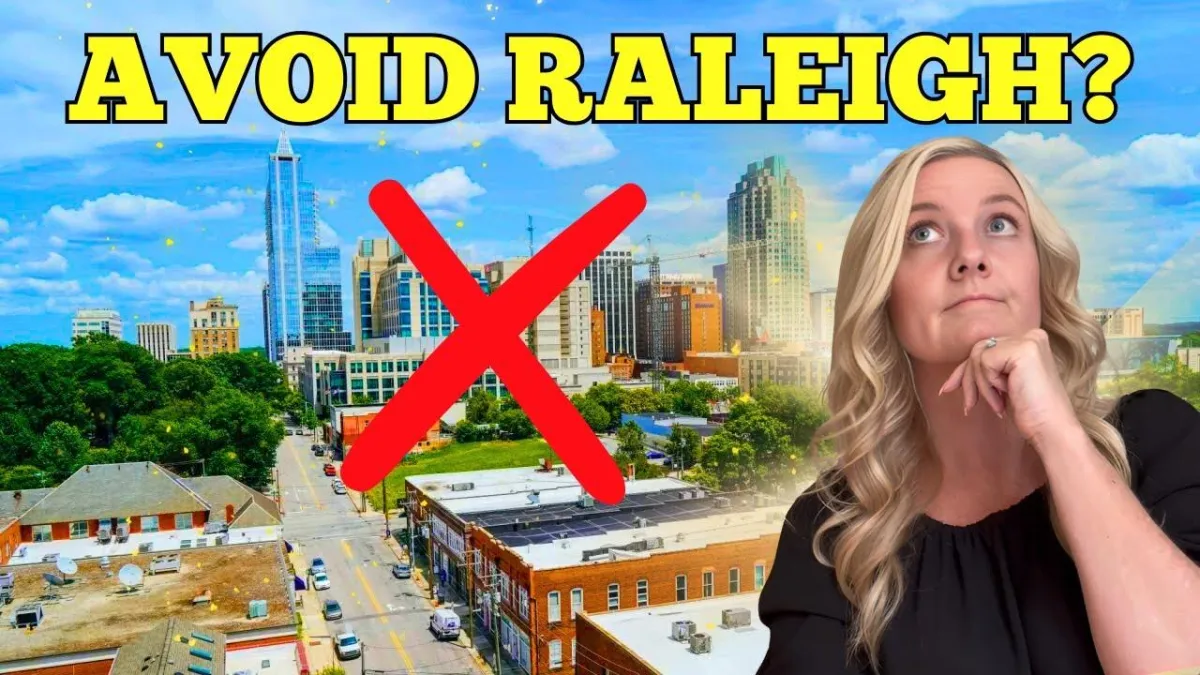
Top Reasons Why People Leave Raleigh, NC | Living In Raleigh, NC
When my family and I relocated to Raleigh from California six years ago, we arrived with high expectations based on all the accolades this city consistently receives. Raleigh has been ranked as the third best place to live in the country, praised for affordability among state capitals, and recognized as one of the hottest real estate markets in America. Despite these impressive credentials, I've learned through conversations with clients, friends, and community members that some people do choose to leave our beloved city. Understanding these perspectives can help you set realistic expectations and determine whether Raleigh truly aligns with your lifestyle goals.
The Reality of Growth and Change
The most common concern I hear from long-time residents centers around how rapidly Raleigh has transformed over the past decade. With approximately 70 new residents arriving daily, the area has experienced significant growing pains that have altered its character. Former tobacco and sweet potato farms have given way to master-planned housing communities, and rural landscapes are continuously being developed to accommodate the influx of new families.
While many view this progress positively, contributing to our status as the second hottest housing market in the country, longtime locals sometimes feel the culture they once knew is disappearing. The small-town Southern charm that originally attracted them has evolved into something more metropolitan, and not everyone embraces this transition. For families accustomed to more space, less traffic, and quieter neighborhoods, the increased density and development can feel overwhelming.
Size and Expectations
Raleigh is a mid-sized city, not a major metropolitan area like Los Angeles, New York, or even Charlotte. Some newcomers arrive with misconceptions about the city's scale and entertainment options, expecting a bustling urban environment that simply doesn't exist here. When reality doesn't match expectations, disappointment follows.
Those seeking extensive nightlife, diverse entertainment venues, or the energy of a major metropolitan area may find Raleigh lacking. The restaurant scene, while improving, doesn't compare to larger cities, and many establishments close earlier than visitors from major urban areas expect. Some restaurants even close certain days of the week, which can frustrate those accustomed to 24-hour dining options and late-night entertainment.
Geographic Limitations
Location represents another significant factor in some people's decision to leave. Raleigh sits about two to three hours from both beaches and mountains, which can feel isolating for those previously living in coastal or mountain communities. Families who enjoyed morning beach runs or weekend mountain retreats find the distance challenging to navigate regularly.
For those accustomed to fresh seafood directly from local docks or regular outdoor adventures in dramatic landscapes, Raleigh's geographic position can feel limiting. While the Research Triangle offers many amenities, it cannot replicate the immediate access to diverse natural environments that some regions provide.
Employment and Economic Considerations
Despite Raleigh's strong job market, ranking 14th in the Wall Street Journal's hottest job markets with projected 44 percent growth over the next decade, employment challenges still drive some departures. The local economy heavily emphasizes technology, medical, and education sectors, which may not align with every professional's background or interests.
Some individuals discover that salaries in their field are significantly lower than their previous locations, sometimes by as much as one-third, without proportional decreases in living costs. While housing remains more affordable than many major metropolitan areas, it has increased substantially from previous decades, creating affordability pressures for some families.
The pandemic has also created interesting dynamics, with remote work opportunities allowing some locals to relocate while maintaining Triangle-area salaries, making departure more attractive financially.
Housing and Cost Pressures
While Raleigh remains relatively affordable compared to major cities, housing costs have risen dramatically, and rental increases have surprised many residents. Stories circulate of rent increases ranging from $50 to $750 per month, sometimes with minimal notice, forcing families to reconsider their housing situations.
For those who don't own homes, the combination of increasing rents and limited inventory can create financial stress that makes other locations more appealing, particularly when combined with remote work flexibility.
Transportation and Walkability
The lack of comprehensive public transportation disappoints many newcomers from major metropolitan areas. While the area offers some bus services and future plans for Bus Rapid Transit by 2035, current options are limited compared to cities with extensive subway or light rail systems.
Most areas require car ownership for daily activities, which frustrates those accustomed to walkable neighborhoods where coffee shops, grocery stores, and restaurants are accessible on foot or by bike. The spread-out suburban design means even simple errands typically require driving, representing a significant lifestyle adjustment for some families.
Climate and Environmental Factors
Weather patterns create mixed reactions among new residents. While many from the Northeast appreciate milder winters and the absence of snow shoveling, others struggle with different aspects of the climate. The humidity and heat of summer months can be challenging for those from drier climates, though most families acclimate within a couple of seasons.
Spring pollen creates particular difficulties for allergy sufferers, with everything covered in a thick yellow layer that can exacerbate respiratory issues. Some individuals find their allergies worsen significantly, affecting their quality of life enough to consider relocation.
The area's abundant wildlife, including various insects, snakes, and other creatures, can concern families from different environments. While most adapt to sharing space with local wildlife, some prefer areas with fewer natural inhabitants.
Finding Your Perspective
After nearly leaving ourselves during our first year due to homesickness and culture shock, my family experienced a turning point during a drive home from RDU Airport. Surrounded by beautiful tree-lined highways, we realized we had been focusing on what Raleigh wasn't rather than appreciating what it offered. That shift in perspective transformed our experience completely.
The key lies in understanding that every location involves trade-offs. Raleigh excels in affordability, job opportunities, education, outdoor activities, and quality of life, but it may not provide the fast-paced urban energy, immediate access to beaches and mountains, or extensive public transportation that some families prioritize.
The Continuing Appeal
Despite the departures we've discussed, Raleigh continues attracting new residents at remarkable rates. The city's ongoing development, improving amenities, and consistent recognition for quality of life demonstrate that it meets the needs of many families seeking balanced lifestyles.
Recent additions like the downtown Social District, expanding restaurant scene, and growing cultural offerings show that Raleigh is evolving to address some previous limitations. While change takes time, the trajectory suggests continued improvement in areas where the city previously fell short.
For every family that chooses to leave, many others arrive seeking exactly what Raleigh provides: a manageable cost of living, strong job market, excellent schools, beautiful natural spaces, and genuine community feeling. The ongoing growth and development indicate that more people find Raleigh appealing than limiting.
Making an Informed Decision
Understanding potential drawbacks helps set realistic expectations and prevents disappointment after relocation. If you prioritize extensive nightlife, immediate beach access, comprehensive public transportation, or major metropolitan amenities, Raleigh might not align with your lifestyle preferences.
However, if you value affordability, career opportunities, educational excellence, outdoor activities, and genuine community spirit, Raleigh offers exceptional advantages that continue attracting families from across the country.
The honest assessment is that Raleigh isn't perfect for everyone, but it provides an excellent quality of life for families whose priorities align with its strengths. By understanding both the benefits and limitations, you can make an informed decision about whether this growing, evolving city represents the right choice for your family's future.
If you're considering making Raleigh your home and would like an honest discussion about whether the area aligns with your lifestyle goals and priorities, I'd be happy to share more insights from our experience and help you explore what the Triangle area has to offer. Please feel free to reach out at 919-583-6895 to discuss your specific needs and concerns.
Find EVERYTHING you need to know about The Raleigh Triangle in our YouTube Channel:
youtube.com/@LifeInRaleighNow
