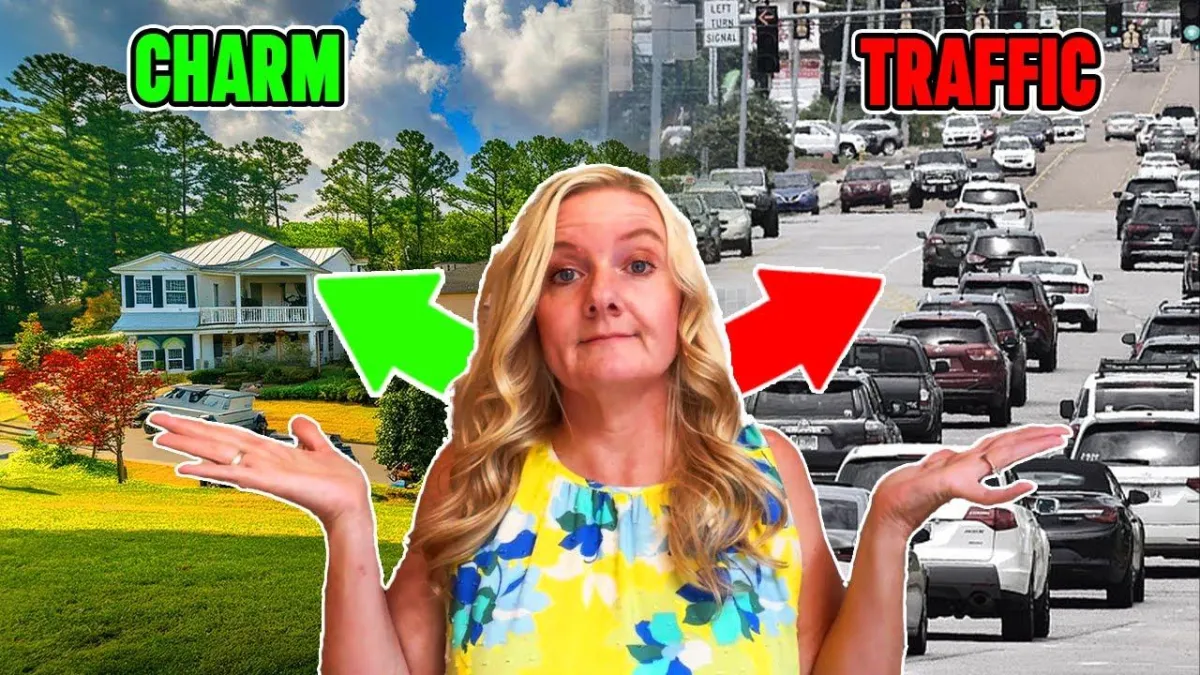
Avoid Living In These Suburbs And Cities | WATCH This First! Living in Raleigh, NC
When my family and I relocated to the Raleigh area from Southern California six years ago, we made a classic newcomer mistake. We moved to a town that seemed perfect on paper, only to pack up and move again just four months later. Trust me, you don't want to go through that hassle. As a local realtor here in Raleigh, North Carolina, I talk to folks every week who are in the same boat we were in, trying to figure out where they should plant their roots in the Triangle area.
So let's dive into the real story behind each of Raleigh's suburbs, towns, and cities. I'll give you the straight scoop on what makes each area tick, who it's perfect for, and who might want to keep looking.
Cary: Not Your Quiet Southern Town
Let's start with Cary, one of the most suggested destinations for newcomers. The locals love to tell you what Cary really stands for: Centralized Area for Relocating Yankees. My husband, being a Yankee himself, wasn't sure whether to take that as a compliment or not! With around 185,000 residents, Cary is one of Raleigh's biggest suburbs, and it shows.
Coming from California, I immediately noticed Cary has that Orange County vibe. You'll find incredible dining options with diverse cuisines, high-end grocery stores alongside ethnic markets, and beautiful boutiques. Fenton offers fantastic outdoor shopping and dining experiences. The town is well-planned with easy-to-navigate roadways, though expect congestion during peak hours.
What sets Cary apart is its established feel. Built up primarily in the '60s and '70s, you'll find mature trees and that settled-in charm many newer developments lack. The flip side? Some newcomers comment on its "older feel," though you can still find newer homes. In fact, some neighborhoods have become so desirable that people are buying older homes, tearing them down, and building multi-million dollar mansions in their place.
Morrisville: Living in the Flight Path
If the sound of airplanes makes you anxious rather than excited about your next vacation, Morrisville might not be your cup of tea. Home to Raleigh-Durham International Airport, this town requires careful consideration about exactly where you choose to live. There's actually an air traffic noise map that can help you figure out which areas are more affected than others, so definitely do your homework and visit at different times of day before making any decisions.
Housing in Morrisville tends to feature smaller lots, with plenty of townhome options. But here's the silver lining: if you travel frequently for work or need easy access to Research Triangle Park, Morrisville's location can't be beat.
Apex: The Peak of Suburban Living
Apex has quickly become one of my personal favorites, and for good reason. The downtown area is absolutely hopping with fantastic shops, boutiques, coffee shops, and restaurants. If you haven't tried the mac and cheese at Scratch Kitchen and Tap Room, you're missing out. And Common Grounds Coffee isn't just great for coffee and pastries – their wall of unique, colorful clocks featuring everything from cats to mermaids is worth the visit alone.
With just over 76,000 residents, Apex is about half the size of Cary but offers similar amenities. The town boasts incredible parks, including the jaw-dropping Pleasant Park with its 92-acre space, impressive climbing structures, and a giant 35-foot slide. The enchanted forest area with nine exclusive play villages is perfect for families with kids of all ages and abilities.
The downside? Apex has caught up to Cary in terms of pricing, and the roadways can get seriously congested during peak hours. Making left turns on some streets feels like an Olympic sport. Plus, some areas fall within a 10-mile radius of the Shearon Harris nuclear plant in New Hill, which might be a dealbreaker for some folks.
Holly Springs: New Development Central
Holly Springs divides people into two camps: those who love the newer feel and those who miss mature trees and established landscapes. Much of this area was farmland before the housing boom, and you can still spot working farms as you drive around. With just over 50,000 residents, Holly Springs continues to grow rapidly.
The old downtown might be small, but it packs a punch with great restaurants and shops. OSHA is our go-to spot – their sushi naughty roll is incredible, and they make fun drinks too. Just remember to make reservations because this place stays packed. The newer shopping area that's sprung up in the last six years has pretty much everything you could want, including restaurants and a movie theater.
Housing prices have soared here, surprisingly matching Cary and Apex levels. The completion of I-540 will better connect Holly Springs to the rest of the Triangle, which is good news since the 55 bypass gets pretty congested. One significant consideration: the South Wake landfill affects some communities with odor issues. While the county committed $13 million in 2020 to address this over the next decade, definitely do your own smell test when house hunting.
Fuquay-Varina: From Rural to Rapidly Growing
When I first moved here, I couldn't even pronounce Fuquay-Varina correctly (we butchered it as "Fuqua"), and hardly anyone lived there. Fast forward to today, and this little town has doubled in size to just under 47,000 residents. Gone are the days of super rural, inexpensive living.
What's unique about Fuquay-Varina is its two downtowns, just a mile apart, remnants from when it was two separate towns. You'll find great restaurants, coffee shops, breweries, boutiques, and my absolute favorite bakery, Stick Boy. The 6,000-square-foot splash pad is a summer favorite for families.
If you work remotely, Fuquay-Varina offers a nice balance of accessibility to Holly Springs' amenities while maintaining its own character. However, if you're commuting to Durham or Chapel Hill, it might feel a bit too far removed from the action.
The Growing Towns: Garner and Clayton
Garner, with just under 36,000 residents, maintains a small, rural feeling despite rapid growth and new construction. The upcoming I-540 extension will better connect this town to the Triangle, but for now, expect construction-related traffic congestion. If you're not a fan of living through major growth and construction phases, Garner might not be your best bet.
Clayton has become incredibly popular, especially among New York transplants. With over 32,000 residents (a 277% increase since 2000!), it's experiencing the kind of growth Cary saw decades ago. The downtown features cute boutiques and fantastic restaurants – try the shrimp and grits at Manning's or visit the Clayton Steakhouse.
The trade-off for more affordable housing? Commute times to downtown Raleigh now stretch to 30-45 minutes. And sorry, moms – still no Target or Chick-fil-A, though there is a Walmart. Most Clayton residents head to Garner's White Oak shopping area for their Target fix.
The University Towns: Chapel Hill and Durham
Chapel Hill holds a special place in my heart. Home to UNC Chapel Hill, the oldest state university in the country, this town of nearly 67,000 residents oozes character and history. Beautiful homes, mature trees, and stunning landscapes make it visually appealing. The downside? It's a college town through and through, meaning crowded restaurants, parking challenges, and game-day madness. Go Tar Heels!
Durham, the fourth-largest city in the Triangle with nearly 300,000 residents, has undergone an impressive revitalization. Millions of dollars in development have created a cool, artsy vibe with fantastic museums, restaurants, shopping, and entertainment options like the Durham Performing Arts Center. While Durham gets a bad rap for crime rates, remember it's a large metro area with both areas to avoid and absolutely stunning neighborhoods. The Eno River State Park and Sarah P. Duke Gardens offer beautiful escapes within the city.
The Northern Options: Hillsboro, Pittsboro, and Wake Forest
Hillsboro captured my heart on first visit. With under 10,000 residents, this historic town offers rural charm while staying within 30 minutes of Durham and Chapel Hill. Crime statistics might look concerning on paper, but locals, especially in the southeastern part of town, report feeling safe and loving their community.
Pittsboro, with under 5,000 residents, flies under the radar but shouldn't be overlooked. Part of Chatham County's 84,000 residents, it offers a rural setting with majestic trees and beautiful homes. The small downtown has a cool vibe that blends historic with new. Both Hillsboro and Pittsboro work well if you're affiliated with Chapel Hill or Durham but might feel too remote for Raleigh commuters.
Wake Forest deserves serious consideration. I think it has one of the best historic downtowns of all Raleigh's suburbs. Beautiful historical homes, great communities with nice amenities, and fantastic parks like Joyner Park make it attractive. Falls Lake offers boating and kayaking opportunities. Recent additions include Publix, Wegmans, Target, Cava, and Torchy's Tacos. With over 58,000 residents and 37% growth since 2000, Wake Forest is bustling with new construction. The main drawback? The commute to Raleigh takes about 30 minutes, and US-1 (Capitol Boulevard) gets congested with some questionable drivers.
The Quiet Corners: Rolesville, Knightdale, and Wendell
Rolesville, neighboring Wake Forest with under 12,000 residents, lacks the Southern charm and character of other suburbs. It functions more as a bedroom community, with residents often heading to Wake Forest for shopping and dining. The upcoming Cobblestone Village development should bring much-needed shops and restaurants.
Knightdale, with under 20,000 residents (doubled since 2000), is what I call an underrated gem for Raleigh commuters. You can reach downtown Raleigh in 20 minutes or downtown Cary in 25. Knightdale Station Park offers wonderful trails, playfields, and a railroad-themed playground. The downside? Limited entertainment options – no bowling alley, movie theater, or much for teens to do.
Wendell rounds out our tour with under 15,000 residents but lots of growth potential. Wendell Falls and the Treelight shopping area continue expanding with shops, restaurants, grocery stores, and more, including a new Publix, fire station, hospital, and schools.
Making Your Decision
Choosing where to live in the Raleigh area ultimately depends on your lifestyle, work situation, and priorities. Consider your commute, desired amenities, preference for established versus new construction, and tolerance for growth and change. Each area has its own personality and trade-offs.
My advice? Visit multiple times, at different times of day and week. Talk to locals, explore the downtowns, and really get a feel for each place. Don't make the mistake we did of choosing too quickly. Take your time, do your research, and find the suburb that truly fits your family's needs.
Ready to explore these areas in person? I'd love to help you find your perfect spot in the Triangle. Give me a call at 919-583-6895, and let's start your journey to finding the right home in the right neighborhood. After all, where you live shapes your daily life, and in the Raleigh area, you've got plenty of great options to choose from.
Brandy Nemergut
Your Local Raleigh Area Realtor
919-583-6895
Find EVERYTHING you need to know about The Raleigh Triangle in our YouTube Channel:
youtube.com/@LifeInRaleighNow
Brandy Nemergut
Brandy Nemergut is a seasoned real estate expert with over 20 years of experience in the Raleigh-Durham area. As the trusted realtor at Be Sunshine Realty Group with EXP, Brandy specializes in helping clients navigate the complexities of buying and selling homes, offering personalized service and in-depth market knowledge.
